How Virtual Reality Is Revolutionizing Learning Experiences
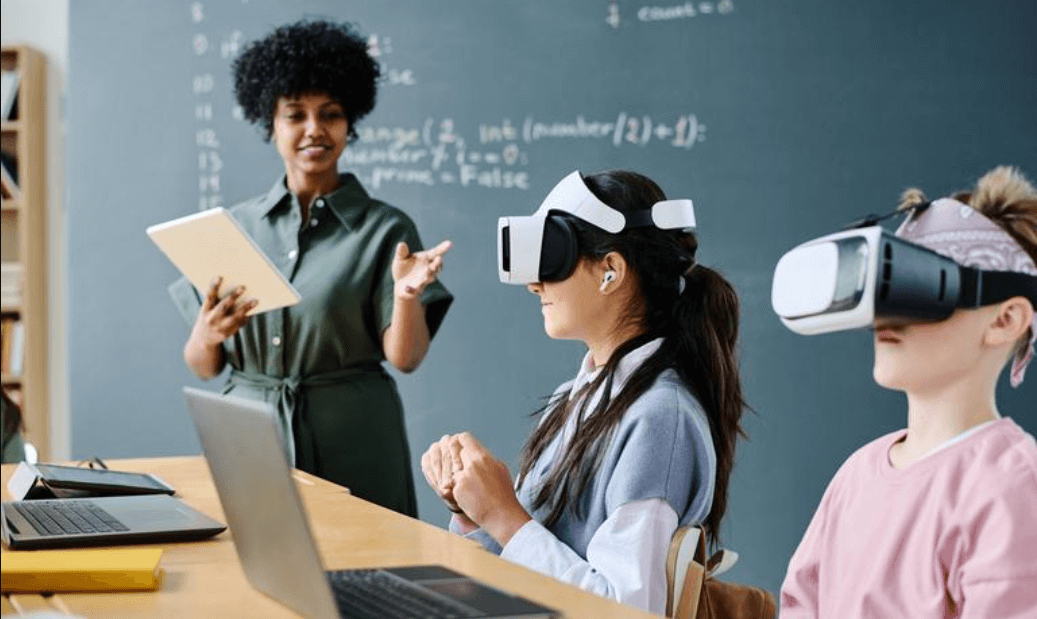
Virtual reality is transforming educational landscapes by immersing students in dynamic learning environments. This technology not only boosts engagement but also facilitates tailored educational experiences. As traditional barriers dissolve, VR promotes inclusivity and prepares learners for future challenges. However, the implications of this shift extend beyond mere engagement. What does this mean for the future of education and the skills students will acquire?
Enhancing Engagement Through Immersive Experiences
As educators increasingly seek innovative methods to captivate students, virtual reality (VR) emerges as a transformative tool that enhances engagement through immersive experiences.
See also: How Virtual Reality Is Changing the Real Estate Industry
Personalized Learning Paths With VR Technology
While traditional educational frameworks often adopt a one-size-fits-all approach, virtual reality (VR) technology paves the way for personalized learning paths that cater to individual student needs and preferences.
By leveraging adaptive assessments and interactive simulations, VR enables learners to engage with content at their own pace, fostering autonomy and enhancing comprehension.
This innovative methodology empowers students to explore subjects in deeply meaningful ways.
Bridging Gaps in Accessibility and Inclusivity
Although the educational landscape has made strides toward greater inclusivity, significant barriers still exist for many learners, particularly those with disabilities or diverse learning needs.
Virtual reality offers innovative solutions to these accessibility challenges by promoting inclusive design.
Preparing Students for the Future Workforce
Virtual reality is not only reshaping accessibility in education but also preparing students for the future workforce by simulating real-world scenarios and fostering critical skills.
Through immersive experiences, students engage in skill development tailored to industry demands. Collaborative initiatives between educational institutions and businesses enhance relevance, ensuring that learners are equipped with practical expertise.
This innovative approach empowers students to navigate an evolving job market confidently.
Conclusion
In the realm of education, virtual reality stands as a key that unlocks doors to a vibrant garden of knowledge. Each immersive experience acts as a bridge over turbulent waters, guiding students to personalized pathways that lead to mastery. Just as a skilled gardener nurtures diverse plants to bloom, VR cultivates an inclusive environment where every learner can thrive. As this technology flourishes, it prepares students to navigate the ever-evolving landscape of the future workforce with confidence and creativity.