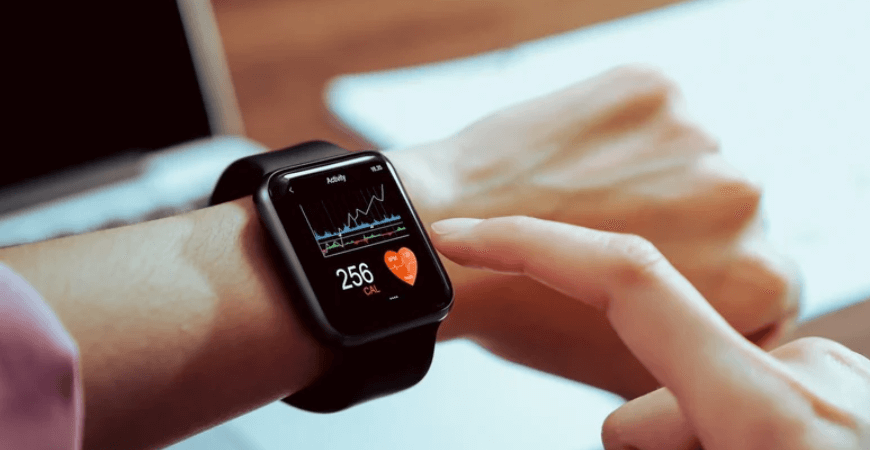
How Wearable Technology Is Shaping Our Health
Wearable technology is increasingly influencing health management by providing users with vital metrics in real-time. These devices enable individuals to monitor their heart rate, activity levels, and other health indicators, promoting proactive wellness strategies. Despite their advantages, concerns about data privacy and accuracy persist, affecting user trust. As advancements continue, the implications for healthcare accessibility and personalization are profound, raising questions about the future trajectory of these innovations.
The Rise of Wearable Technology in Health Monitoring
As technology continues to advance, the adoption of wearable devices for health monitoring has surged, transforming personal healthcare management.
These devices facilitate health tracking through real-time collection of fitness metrics, enabling users to take charge of their well-being.
With features such as heart rate monitoring and activity logs, individuals gain valuable insights, fostering a proactive approach to health and enhancing overall quality of life.
See also: How Wearable Tech Is Enhancing Personal Safety
Key Benefits of Wearable Health Devices
While many individuals recognize the potential of wearable health devices, the specific benefits they offer extend far beyond mere convenience.
These devices facilitate real-time tracking of vital health metrics, empowering users to monitor their well-being continuously.
Additionally, they provide personalized insights tailored to individual health goals, enabling informed decisions that foster healthier lifestyles and enhance overall well-being.
This combination promotes autonomy in health management.
Challenges and Limitations of Wearable Technology
Although wearable technology has revolutionized personal health monitoring, it is not without its challenges and limitations.
Data privacy concerns, device accuracy, and user engagement issues hinder widespread adoption. Accessibility challenges persist for diverse populations, while integration with existing health systems remains complex.
Additionally, battery life constraints can impact consistent usage, ultimately affecting the reliability and effectiveness of these innovative health tools.
The Future of Wearable Health Innovations
With advancements in technology rapidly evolving, the future of wearable health innovations promises to reshape how individuals monitor and manage their health.
Personalized medicine will thrive as devices collect real-time data, tailoring health interventions to individual needs.
However, the paramount concern of data privacy will necessitate robust safeguards, ensuring that users maintain control over their health information while embracing the benefits of these transformative technologies.
Conclusion
In conclusion, as wearable technology continues to weave itself into the fabric of daily health management, users find themselves at a crossroads where innovation meets personal empowerment. The coincidence of real-time data and individual wellness goals paints a vivid picture of a future where health is not just monitored, but actively shaped. However, as this digital tapestry unfurls, the threads of privacy and accuracy must be meticulously woven to ensure a truly transformative experience for all.