How Virtual Reality Is Transforming Healthcare
Virtual reality is increasingly recognized for its potential to transform healthcare. Its applications range from enhancing medical training to improving patient-provider interactions. Immersive simulations offer medical professionals a unique opportunity to refine their skills. Meanwhile, innovative pain management techniques provide patients with effective distraction methods. As VR technologies continue to evolve, they promise to reshape rehabilitation practices and redefine the dynamics of patient care. What implications might this hold for future healthcare delivery?
Enhancing Medical Training Through Immersive Simulations
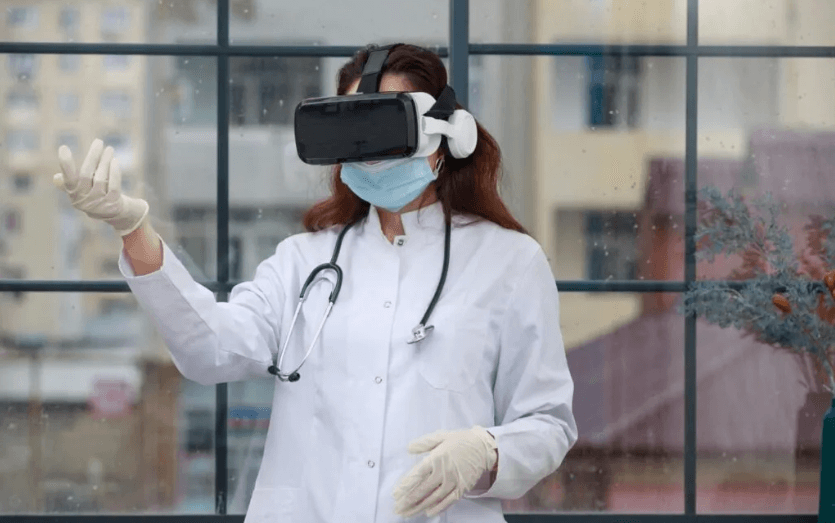
As medical professionals face increasingly complex scenarios, the integration of virtual reality (VR) in training programs has emerged as a transformative approach to skill development.
Immersive learning experiences offer dynamic environments where practitioners can refine their techniques and undergo rigorous skills assessment.
This innovative method not only enhances knowledge retention but also fosters confidence, enabling healthcare providers to navigate real-world challenges with greater proficiency and adaptability.
See also: How Virtual Reality Is Revolutionizing Learning Experiences
Revolutionizing Pain Management Techniques
Revolutionizing pain management techniques, virtual reality (VR) offers a novel approach that shifts traditional paradigms of treatment.
By creating immersive experiences within virtual environments, patients can engage in distraction techniques that alleviate discomfort.
This innovative technology not only empowers individuals to manage their pain more effectively but also opens avenues for enhanced emotional well-being, ultimately reshaping the landscape of pain management in healthcare.
Improving Rehabilitation Outcomes With VR
Harnessing the power of virtual reality (VR), rehabilitation practices are experiencing significant enhancements in patient outcomes.
By integrating virtual exercises, therapists can create immersive environments that motivate patients and improve engagement. This innovative approach fosters a sense of autonomy, allowing individuals to participate actively in their recovery.
As a result, VR not only supports physical rehabilitation but also promotes emotional well-being.
Transforming Patient-Provider Interactions
Virtual reality (VR) is reshaping the dynamics of patient-provider interactions by creating immersive experiences that foster better communication and understanding.
By integrating telehealth solutions, VR enhances patient engagement, allowing providers to visualize conditions and treatment processes more effectively.
This innovative approach not only strengthens the therapeutic alliance but also empowers patients, enhancing their autonomy in managing health outcomes through informed decision-making.
Conclusion
In summary, virtual reality is not merely a trend but a seismic shift in healthcare that is reshaping the landscape of medical practice. By enhancing training, revolutionizing pain management, improving rehabilitation outcomes, and transforming patient-provider interactions, VR stands as a beacon of innovation. As this technology continues to evolve, its potential to create a healthier, more empathetic world seems almost limitless, promising to redefine the very essence of patient care and professional development in unprecedented ways.