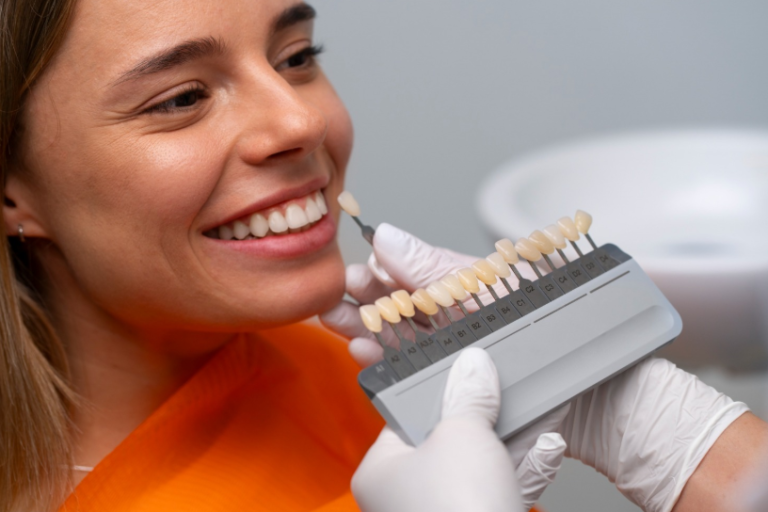
Is Teeth Cleaning Painful?
Professional teeth cleaning is an important part of maintaining good oral health, yet many people feel anxious about the appointment because they worry it might hurt. Understanding what the procedure involves can make the experience far more comfortable and reassuring. In most cases, teeth cleaning is gentle, straightforward, and highly beneficial for your smile.
What Happens During a Professional Teeth Cleaning?
A standard teeth cleaning appointment begins with a quick examination to check your gums and overall oral health. The dentist or hygienist then removes plaque and tartar using specialised instruments, a process known as scaling. After scaling, the teeth are polished to smooth the surface and remove surface stains. Flossing and a fluoride treatment may follow, depending on your needs. The process is non-invasive and designed to refresh and protect your teeth.
Is Teeth Cleaning Painful for Most People?
For most patients, teeth cleaning is not painful. You may feel light pressure, gentle scraping, or a tickling vibration from the polishing tool, but these sensations are usually mild and easy to tolerate. Many people find the process more comfortable than expected, especially when performed by an experienced dental professional. Any slight sensitivity during the appointment often comes from areas where plaque and tartar have accumulated.
Situations Where Teeth Cleaning May Cause Discomfort
Some individuals may experience discomfort due to factors such as sensitive teeth, gum inflammation, or receding gums. If tartar has built up significantly, scaling may take longer and feel more noticeable. People with gum disease or early gingivitis may also feel tenderness because their gums are already swollen or sensitive. However, this sensitivity usually improves with regular cleanings and proper oral care.
How Dentists Reduce Discomfort During Cleaning
Dentists and hygienists use a range of techniques to keep patients comfortable throughout the appointment. They may apply a numbing gel to desensitise certain areas or adjust their tools to work more gently on sensitive spots. Communication plays a big role as well, as patients are encouraged to signal if anything feels uncomfortable. For personalised care and a gentle approach to teeth cleaning, speaking with a local dental professional can help ensure the process feels smooth and manageable.
See also: How Virtual Reality Is Transforming Healthcare
Tips for Reducing Sensitivity Before and After Cleaning
Using desensitising toothpaste for a week or two before your appointment can help reduce sensitivity. Avoiding very hot or cold foods beforehand may also make the experience more comfortable. After the cleaning, any mild soreness usually fades quickly. Maintaining regular brushing and flossing helps minimise tartar buildup, which often makes future cleanings easier and more comfortable.
The Benefits of Regular Teeth Cleaning
Routine teeth cleaning appointments play a key role in preventing gum disease, bad breath, and tooth decay. They help remove plaque that brushing alone can’t reach and support healthier gums. Over time, regular cleanings may even reduce sensitivity as the gums become healthier and inflammation decreases.
When to Talk to Your Dentist
If you experience prolonged pain after a cleaning or have concerns about sensitivity, it’s important to speak with your dentist. They can assess your gums, identify underlying issues, and recommend personalised treatments to improve comfort during future visits.
In Closing
Teeth cleaning is generally a comfortable and beneficial procedure for maintaining a healthy smile. While some people may experience mild sensitivity, most find the process easy and far less uncomfortable than expected. Regular dental care and open communication with your dentist can help ensure every appointment feels positive and supportive.