What Is Composite Bonding?
Composite bonding is a popular cosmetic dental treatment that offers a fast and effective way to enhance your smile. It can fix a range of minor imperfections while keeping your natural teeth mostly untouched. For anyone looking for a simple, affordable, and minimally invasive cosmetic solution, composite bonding is often an excellent choice.
Understanding Composite Bonding
Composite bonding uses a tooth-coloured resin material that is applied to the surface of your teeth to improve their shape, shade, or overall appearance. The resin is carefully sculpted to match your surrounding teeth, creating a seamless finish. Because it requires little to no enamel removal, bonding is considered one of the least invasive cosmetic treatments available.
How Composite Bonding Works
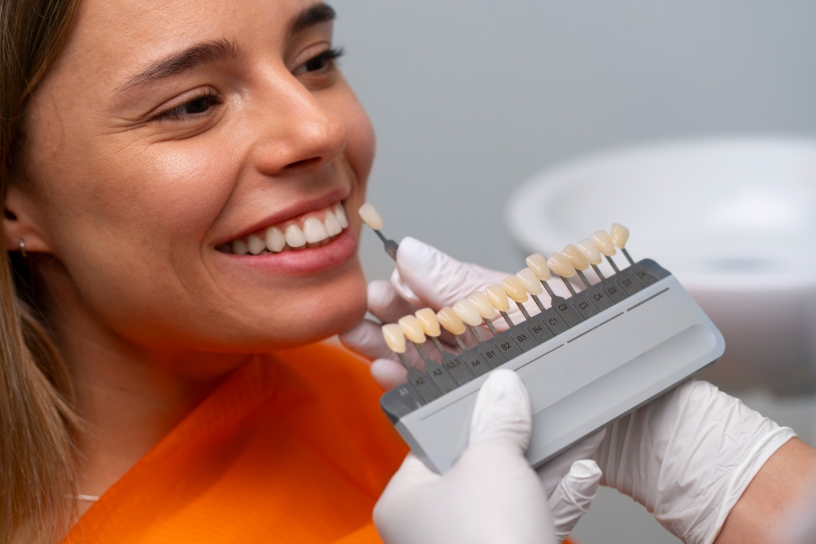
The bonding process is typically completed in just one appointment. Your dentist begins by choosing a shade of resin that blends naturally with your teeth. The tooth surface is gently prepared, and a conditioning liquid is applied to help the resin adhere. Once the resin is placed, it is shaped, smoothed, and hardened using a special curing light. After the material sets, your dentist polishes the tooth for a natural-looking shine. The procedure is usually painless and does not require anaesthetic unless treating decay.
What Composite Bonding Can Fix
Composite bonding is a versatile treatment that can address a variety of aesthetic concerns. It can repair chipped or cracked teeth, close small gaps, and reshape teeth that appear uneven or slightly worn. Bonding is also a great option for covering stains that teeth whitening cannot remove. Because the material is custom-shaped for each tooth, it allows for precise improvements that enhance your smile without major dental work.
See also: How Wearable Technology Is Shaping Our Health
Benefits of Composite Bonding
Composite bonding comes with many advantages, making it an appealing choice for cosmetic enhancement. It is one of the most affordable cosmetic dental treatments and provides immediate results, allowing you to leave the clinic with a noticeably improved smile. The procedure is minimally invasive, preserving your natural tooth structure while still offering a significant upgrade in appearance. It also delivers a realistic finish that blends smoothly with your existing teeth. If you’d like to explore whether composite bonding is right for your smile, your dentist can guide you through the options based on your goals.
Who Is a Good Candidate for Composite Bonding?
Bonding is ideal for patients who have minor cosmetic imperfections and healthy underlying teeth. It’s a great option if you want to refine your smile without undergoing more complex treatments. However, bonding may not be suitable for teeth with large fractures, severe misalignment, or significant decay. In those cases, veneers, crowns, or orthodontic care may be more appropriate. A consultation with your dentist will help determine the best approach.
How Long Composite Bonding Lasts
With proper care, composite bonding typically lasts between five and ten years. Its longevity depends on your oral hygiene routine, eating habits, and whether you grind your teeth. Over time, the resin may wear or pick up stains, but touch-ups and replacements are straightforward. Regular dental check-ups ensure your bonding stays in good condition and continues to look natural.
How to Care for Composite Bonding
Looking after bonded teeth is simple. Maintain daily brushing and flossing, and limit foods and drinks that can stain, such as coffee, tea, and red wine. Avoid biting on hard objects like ice or pens to prevent chips or cracks. Your dentist may recommend occasional polishing appointments to keep the resin smooth and glossy. With the right care, your bonding can stay bright and strong for many years.
Composite Bonding vs Veneers
While both bonding and veneers are used to improve smile aesthetics, they differ in durability and cost. Veneers are thin porcelain shells that offer greater strength and stain resistance, making them ideal for long-term transformations. Composite bonding is more affordable and reversible but may require more maintenance over time. The right option depends on the results you want, the condition of your teeth, and your preferred level of investment.
Parting Words
Composite bonding is a simple, versatile, and minimally invasive way to enhance your smile. It provides natural-looking results with little preparation and can effectively correct a variety of cosmetic concerns. If you’re looking to refresh your smile without extensive treatment, composite bonding may be the perfect fit. A consultation with your dentist will help you explore the possibilities and achieve a confident, beautifully balanced smile.