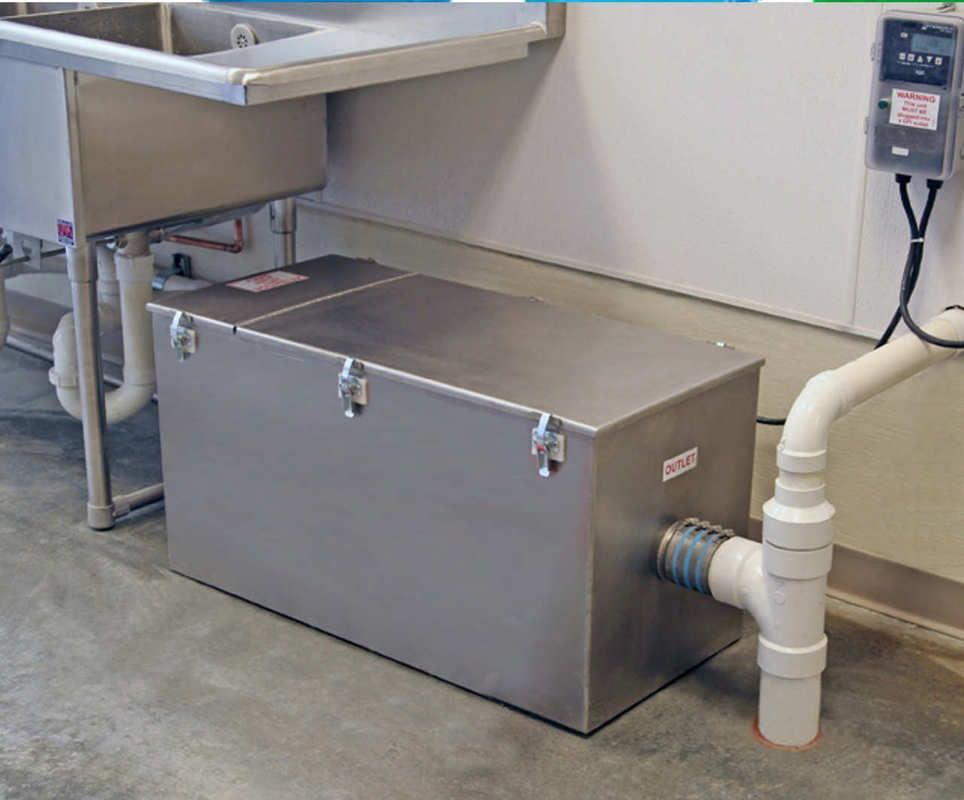
Cost Benefits Of Scheduled Grease Trap Pumping For Food Businesses
Food businesses face unique challenges every day. From maintaining hygiene to ensuring smooth kitchen operations, the list is long. One critical aspect often overlooked is grease management. Grease traps are essential devices installed in commercial kitchens to capture fats, oils, and grease (FOG) before they enter the wastewater system. Neglecting them can lead to expensive consequences. Scheduled maintenance, particularly grease trap pumping, can save businesses time, money, and stress.
Understanding Grease Trap Pumping
Grease trap pumping is the process of removing accumulated fats, oils, and grease from a commercial kitchen’s grease trap. This prevents clogs and plumbing issues. Without regular pumping, grease can build up and cause blockages. It can also produce foul odors, harming the restaurant’s environment. By scheduling grease trap pumping, food businesses can maintain a cleaner and safer kitchen. Proper pumping ensures that operations run smoothly while avoiding costly plumbing repairs at the end of the line.
Reducing Plumbing Emergencies Through Maintenance
Unscheduled plumbing emergencies are a nightmare for any food business. Blocked drains or overflowing grease traps can halt operations. Regular grease trap pumping minimizes these risks. When grease is removed consistently, it doesn’t accumulate in pipes. This proactive approach reduces emergency calls to plumbers. The cost of scheduled grease trap pumping is far lower than dealing with sudden blockages or pipe replacements. Consistency here translates directly into cost savings.
Enhancing Kitchen Efficiency With Grease Management
A clean, well-maintained kitchen runs efficiently. Grease buildup can slow down dishwashing and waste disposal processes. Scheduled grease trap pumping keeps appliances and sinks functioning optimally. Staff spend less time dealing with clogs or unpleasant odors. This efficiency improves workflow and customer service. Ultimately, investing in regular grease trap pumping boosts productivity while protecting the business from hidden costs.
Preventing Fines And Environmental Penalties
Many cities and municipalities have strict regulations regarding grease disposal. Food businesses that neglect grease traps risk fines and penalties. Scheduled grease trap pumping ensures compliance with local laws. It prevents grease from entering public sewer systems, reducing environmental impact. Avoiding fines is another clear cost benefit of proper grease trap maintenance. It not only safeguards finances but also protects the business’s reputation.
Extending Equipment Lifespan With Proper Care
Kitchen equipment is expensive, and grease can damage pipes, pumps, and sinks over time. Regular grease trap pumping prevents corrosion and wear. When grease is removed on schedule, less strain is placed on plumbing systems. This extends the lifespan of kitchen infrastructure. Businesses save money by delaying costly replacements or repairs. A simple investment in grease trap pumping today prevents larger expenses tomorrow.
See also: Post-Study Work Visa (Graduate Route): What International students need to know
Supporting Health And Sanitation Standards
Maintaining high hygiene standards is crucial in the food industry. Overflowing or neglected grease traps can create unsanitary conditions. Scheduled grease trap pumping reduces odor, prevents pest infestations, and keeps kitchens clean. This ensures compliance with health codes and boosts customer trust. A clean kitchen is not just safe but also cost-effective in avoiding fines, spoilage, or reputational damage. Grease trap pumping is key to achieving this balance.
Conclusion
Regular grease trap pumping is more than just maintenance—it is a smart investment for food businesses. From reducing plumbing emergencies to ensuring compliance and extending equipment life, the cost benefits are clear. Scheduled pumping saves money, time, and stress while supporting efficient, sanitary operations. Businesses that prioritize grease trap management are better positioned for long-term success. Maintaining a clean, well-functioning kitchen starts with this simple yet effective step.